by founder Dave Kot, MS
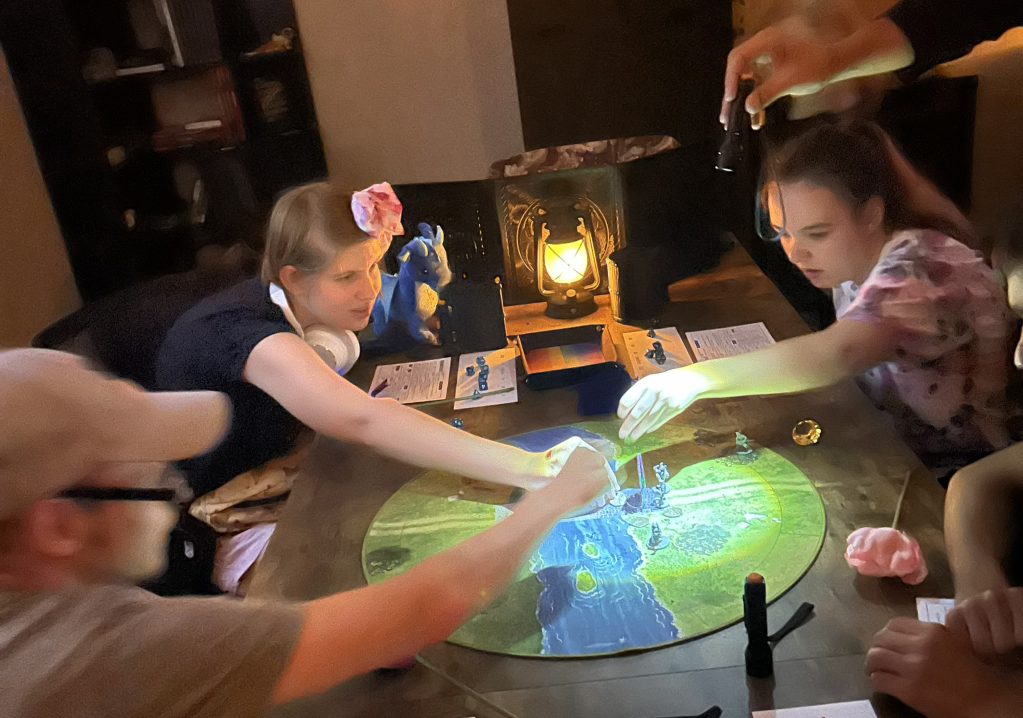
Facilitating tabletop role-playing games with a therapeutic focus creates consistent opportunities to build social connections and develop emotional resilience. Years of professional experience supporting neurodiverse groups demonstrate how guided storytelling actively develops expressive empathy and self-advocacy. This realization leads to a new, replicable model: recurring brief educational adventures that transfer a designated social skill. These small-group sessions prioritize accessibility, affordability, social inclusion, and enjoyable play.
Choosing a Simple Yet Rich Game System
Searching for an affordable and approachable system, J.P. Coovert’s Star Borg d20 stood out. Streamlined mechanics make for easy-to-run, two-hour sessions. This game significantly reduces Game Mastery barriers, such as complicated rules or lengthy preparation. Star Borg’s setting combines sci-fi nostalgia with narrative flexibility, and this blend welcomes diverse stories while maintaining high player excitement. Character archetypes like the empowered Princess and secretive Magi Knight invite exploration of identity and agency through re-imagined heroic roles. Immediate engagement arises from this mix and ownership of new and familiar elements. Both initial sessions and follow-ups remain easy to replicate, suiting a wide range of groups and supporting specified needs. Every session builds transferable skills, and brief themed adventures act as “booster” experiences to reinforce growth over time and the adoption of transferred skills.
Designing for Inclusivity and Connection
Diverse self-expression becomes a guiding principle. Cosmetic-only alien species options eliminate mechanical skill gaps or competitive complexities. Star Borg focuses on creative (re)interpretation and inclusion. Game Masters can add a supportive non-player character who provides an anchor for those hesitant about group play. Star Wars feels quite popular across multiple generations in some form, with its core themes reappearing across classic literature. This inclusive structure enhances comfort and encourages relational and emotional growth. Deviating from established intellectual properties levels the playing field for all participants by reducing the need for prior lore knowledge and easing new players into the experience.
Embedding Therapeutic Themes
Observing recurring motifs, like disguise, observation, and surveillance, creates pathways for deeper therapeutic work. Such themes mirror common challenges in adult autism, including masking, scripted social behavior, and (online) privacy concerns. Establishing a game-story villain, someone or something driven by their need for invasive surveillance, naturally brings up questions about personal boundaries, among many other problems. Player characters respond in ways that encourage discussion around truth versus deception, emotional resiliency to dice roll failures, and shared story complications, and their own personal empowerment by making these complex topics accessible through immersive play.
Prioritizing Safety and Emotional Support
Introducing consent tools such as the X-card, alongside regular session check-ins, sets a foundation of mutual trust and safety. Carefully balanced session pacing ensures emotional processing pairs with engaging challenges. Discussions about recurring sensory themes, maybe like optic sensors, eyeballs, and visual motifs, are addressed openly at the outset during Session Zero. This upfront transparency helps manage sensitive topics such as body horror, keeping the group’s experience comfortable while supporting narrative depth.
Fostering Reflection and Integration
Each game session concludes with a focused debrief. Teams reflect on teamwork, communication, and courageous decision-making, translating in-game experiences into real-world skills. Star Borg’s structure encourages collaborative tasks, such as crew management of a shared starship, and these activities further enhance skills like active listening and trust-building. These debriefs turn each short adventure into a vital step in ongoing personal development.
Building Community Around the Table
Recurring one-shots lower entry barriers and build momentum for continued engagement. Offering events in accessible public locations, such as libraries or community centers, broadens participation and links individuals across social groups. Friendships, pro-social habits, and community connections grow within a framework that does not rely on screens or digital media, underscoring the power and legitimacy of in-person tabletop play for modern support systems.
Careful application of role-playing delivers measurable benefits for social, emotional, and mental health. Creating recurring, accessible gaming tables encourages communities to gather and grow through shared narratives and cooperation. This approach continues to offer a sustainable, adaptable path to personal and group development.
…one quick game at a time.
One-Shot adventures are a great way to try TTRPGs for the first time. Contact us and we will get you in the game!
Discover more from Autism at Face Value
Subscribe to get the latest posts sent to your email.
 Autism at Face Value