How the Scorpion and the Frog Archetypes impact PCs- By Dave Kot, MS

November 2025 launches our first Therapeutically Applied Role-Playing (TARP) gaming groups at
Rage Room in York, Pennsylvania. Autism at Face Value, a nonprofit promoting acceptance through
play, will offer public games and educational forums at little or no cost. Purposeful tabletop
storytelling, using games like Shadowdark or Dungeons & Dragons, creates space for reflection,
conversation, and joy. Storytelling uncovers emotional patterns and teaches empathy, just as Plato,
Christ, and other moral storytellers once did through allegory.
A familiar fable, The Scorpion and the Frog, sometimes floats around our gaming tables. A scorpion,
or similar deceptive stand-in, begs a frog for passage across a river. Yet midway through, instinct
prevails, and both frog and stinging scorpion sink beneath the surface. Ancient lessons like this one
still anchor our community stories. Instincts matter, but so do choice and imagination.
Now imagine yourself in that river. What role would you play? Would you reach for revenge,
forgiveness, or something more creative? What remedies, wisdom, or humor could rewrite the
ending? Tabletop storytelling challenges participants to reframe classic lessons while discovering
personal truth. In these carefully facilitated stories, players explore not only courage or fear but the
nuance between them. Context matters, and players lend this lens through their interaction.
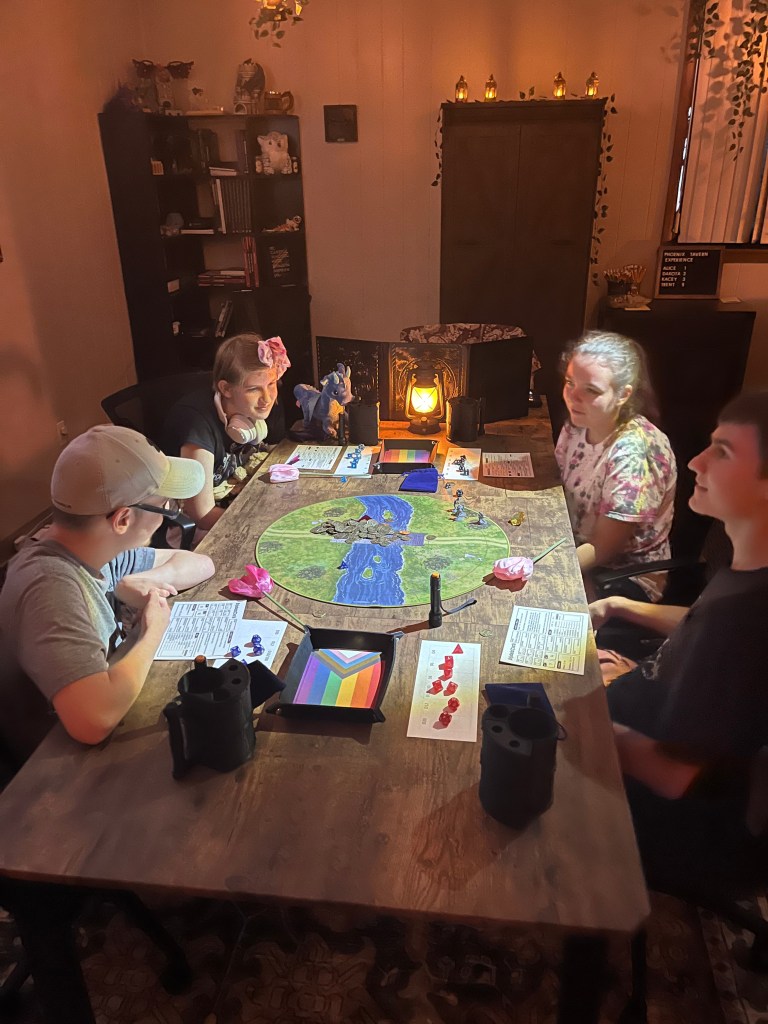
Feedback from our summer TARP sessions illustrates this growth vividly. Graduating from high school
ends many structured supports for neurodivergent young adults, leaving emotional development
untended. Our groups help bridge that gap by combining trained mental health guidance with
creative play in a safe and respectful and familiar environment.
Ricky shared after one session, “Nobody talks to us about death and dying or our feelings since we
graduated. I’m glad we can talk about it. The game was fun.” His friend added quietly, “Yeah. I went
to a funeral the day we graduated. It’s okay to talk about this stuff again.” Conversations like these
remind us that laughter and vulnerability can coexist. Role-playing offers a language for both. We
must be mindful of the absent guardrails some experience with less access to (emotional) health
services.
Structured rules and dice rolls bring fairness and predictability. Many neurodivergent players crave
and master routines. Participants find grounding in shared systems, reducing anxiety over unclear
social expectations. Everyone at the table understands the boundaries because everyone references
the same rules. In that clarity, belonging begins to grow naturally. Literally, and unlike real life, we can
find solutions to a specific problem on the same page of the rules book.
One young adult, Ethan, finished a campaign saying, “Hey, everyone. I wanted to invite you to my
house to play D&D. I got the books and started designing an adventure for you all.” That moment of
initiative marked progress far beyond dice or fantasy. Social connection took root.
Session by session, game masters witness confidence rising among players who once hesitated to
speak. Companionship transforms anxiety into humor. Taking on a character releases self-doubt and
opens curiosity. A shy player might find courage through a loud-mouthed warrior. Sally, for instance,
role-plays an elegant elven werewolf whose fears and dreams mirror her own. Role-playing lets her
process those emotions at a safe distance, under the protection of imagination.
Another player, Terry, began nervously: “My character’s name is Rock. Yup. Rock. What the heck is a
d20?” Two months later, he bellowed across the table in mock fury: “Rock blocks the dungeon’s exit
and grips his axe. You two spellcasters: Light ‘em up with fire magic and smoke! Archer: Take down
the last goblin!” Laughter followed, along with teamwork, leadership, and pride. The timid player who
once whispered directions now ran strategy and teased peers about postgame parties. Therapy and
community are intertwined seamlessly inside a shared narrative.
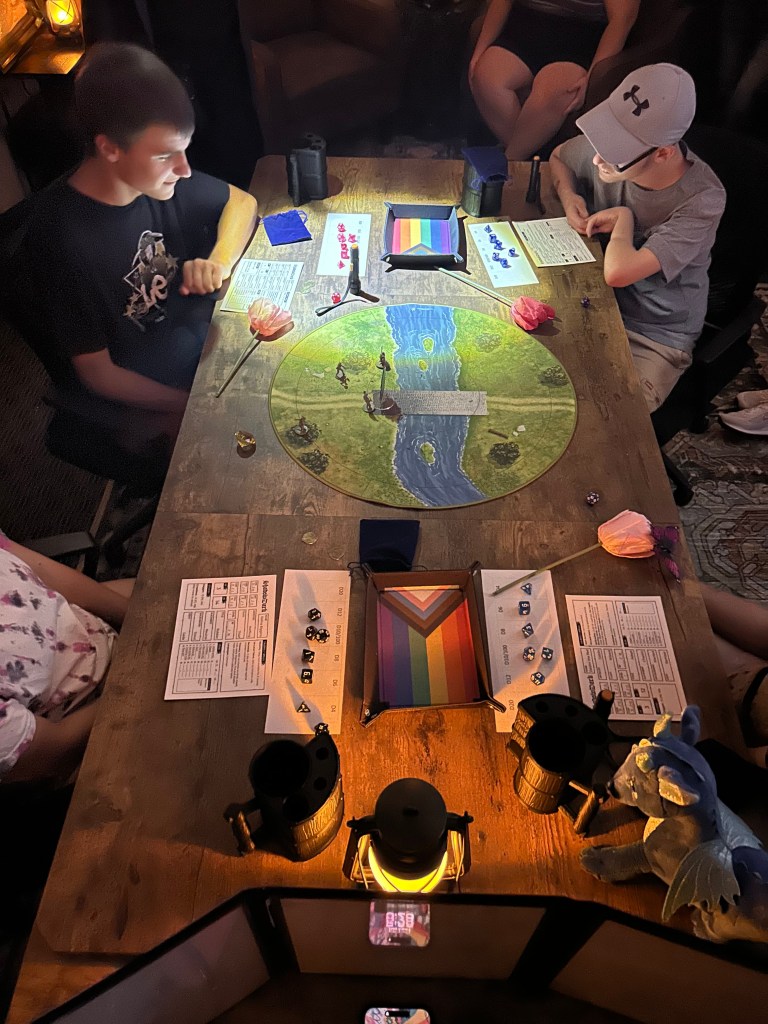
Investing in TARP gaming means investing in choice, creativity, and growth. Participants reflect on
questions few traditional therapies dare to ask: Who do I want to become? What is my best and most
authentic self? How can I practice new ideas and connect meaningfully with others? Even hobbies
that blossom from role-playing, like miniature painting, writing, or solo game adventures, extend this
reflective process beyond any single table.
Each story shared at Rage Room this November contributes to a broader vision of inclusion. Story by
story, character by character, people rediscover their agency. No one forces healing; it emerges
through imagination, connection, and trust. Autism at Face Value invites the community to join this
unfolding narrative. Bring curiosity. Bring questions. Step into a story that might challenge you,
comfort you, or help someone at your table see themselves anew. Adventures begin with a single roll
of the dice…but the change that follows belongs entirely to those who play.
Discover more from Autism at Face Value
Subscribe to get the latest posts sent to your email.
 Autism at Face Value