By: Dave Kot, MS
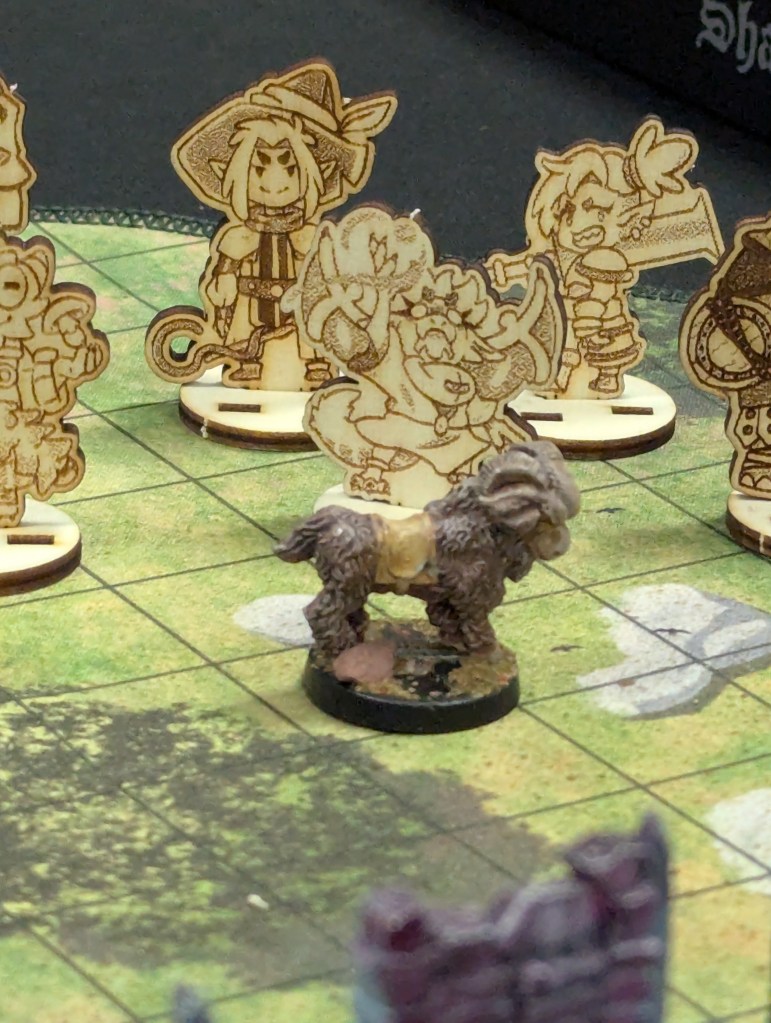
Roleplaying games provide a uniquely fertile environment for emotional growth and therapeutic skill development. These games invite participants to engage actively with complex, human-centered narratives that extend far beyond traditional notions of combat and conquest. When Game Masters (GMs) design non-player characters (NPCs) who embody genuine mental health challenges, they elevate the role-playing experience. These NPCs become pivotal agents of empathy, skill acquisition, and cognitive rehearsal rather than passive story elements or symbolic tokens. In this light, the therapeutic value of roleplaying intertwines directly with evidence-based practices recognized in mental health treatment settings.
Effective therapeutic roleplaying projects real-life emotional difficulties onto accessible and familiar story arcs. Players interact with scenarios framed closely around loss, anxiety, grief, and tense interpersonal conflict; these issues remain a shared challenge in mental health frameworks. Our roleplaying context provides what therapists identify as a “safe space” for trial and error. Players rehearse coping skills such as emotional regulation, perspective taking, and constructive communication within the structured social setting of the game. Unlike traditional talk therapies, roleplaying offers a dynamic experiential learning system, enhancing the transference of social and emotional skills. Remember how Durkheim remarked on how sociology considers the real AND IMAGINED presence of others. We are doing sociological work.
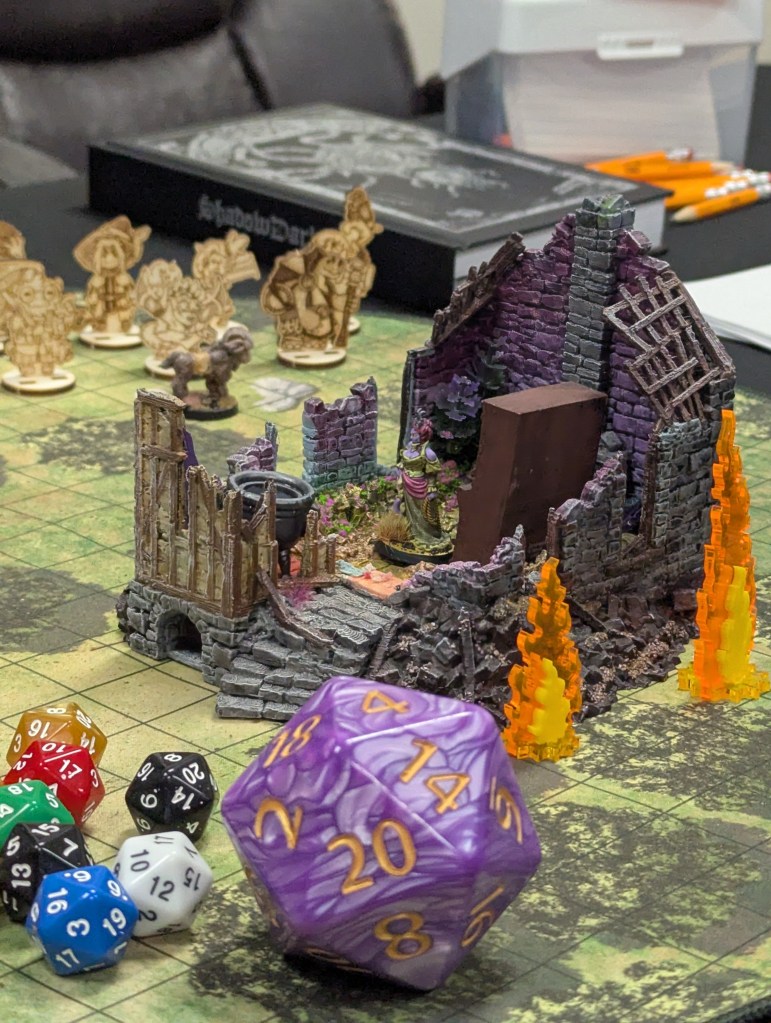
A central mechanism behind this approach to understanding involves a deliberate crafting of NPCs who reflect clinically-relevant emotional states. Consider an NPC such as good ol’ King Goodheart, immobilized by profound grief after the loss of a cherished hunting companion. This grief does not render him a marginal, unimportant character. Instead, his struggle becomes a substantive narrative force that shapes player engagement. Success in this plotline hinges not on martial prowess against an imposing threat, but on players’ ability to navigate empathetic dialogue and collaborative problem-solving. Helping King Goodheart through his grief functions as both a game objective and a behavioral rehearsal. This dual function ensures skill acquisition while reinforcing emotional intelligence, resilience, and pro-social behavior.
For GMs, this paradigm demands rigorous preparation and clinical humility. Prior research to understand symptom clusters and common coping strategies enhances the authenticity and therapeutic potential of NPCs. Collaboration or consultation with mental health professionals can further ground the portrayal in current clinical theory and practice. Establishing clear group norms during pre-game discussions supports a psychologically safe environment, one conducive to vulnerability and growth. In effect, Session Zero is not merely a logistical orientation, but a foundational trust-building exercise aligned with ethical facilitation principles.
Quantifiable therapeutic outcomes manifest through players’ successive mastery of coping strategies demonstrated within the game. Roleplay facilitates immediate feedback loops
wherein players observe consequences of their emotional and social choices. These interactions mimic reinforcement principles used in behaviorally oriented therapies, allowing players to internalize responses to emotional stimuli. Therapists and insurance stakeholders increasingly recognize the value of such structured skill rehearsal, particularly when documented with session notes and player reflections that attest to functional improvements.
Players’ repeated exposure to mental health themes and empathetic scenarios naturally fosters advocacy and destigmatization. The table becomes a microcosm where vulnerability is normalized and compassion is rewarded. The iterative nature of roleplay strengthens social bonds and nurtures a communal ethos of support. Consequently, participants develop increased comfort in addressing mental health challenges both within and beyond the gaming context.
Balancing narrative engagement with clinical sensitivity constitutes a critical responsibility of the Game Master. Facilitators must skillfully avoid sensationalizing or minimizing the realities of real mental health struggles. By maintaining a respectful and patient-centered approach, they preserve player agency and emotional safety. The facilitator’s role expands beyond storytelling; it encompasses psychological stewardship akin to that found in therapeutic group modalities.
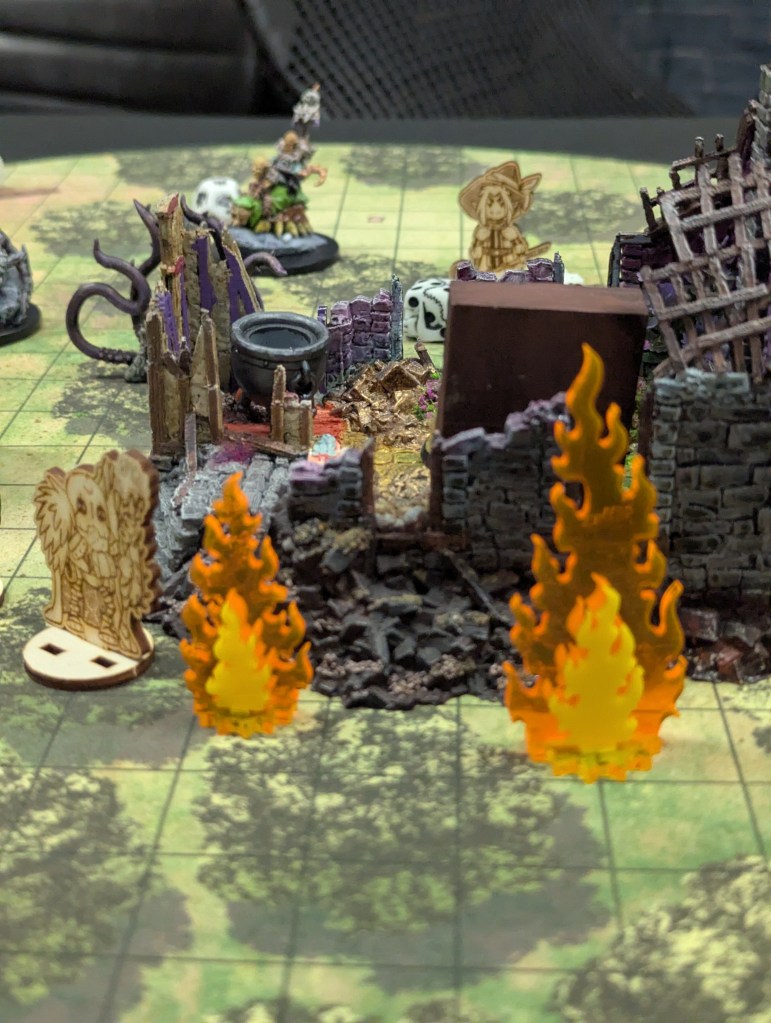
In sum, therapeutic roleplaying resides at the intersection of imaginative creativity and empirically-supported clinical methodology. Thoughtfully constructed NPCs serve as conduits for emotional learning and rehearsal in a controlled but engaging narrative ecosystem. Through this process, roleplaying extends its cultural significance, becoming a validated modality for social competence and emotional resilience enhancement.
By centering emotional growth and clinically informed practice, these games prepare players to navigate real-world interpersonal challenges with heightened empathy and adaptive skills. This paradigm provides a compelling rationale for integrating roleplaying interventions into broader mental health treatment frameworks and for justifying investment from insurance providers. Our roleplaying games shape not just players’ entertainment but their capacity for meaningful human connection and psychological flourishing. Dave Kot
Discover more from Autism at Face Value
Subscribe to get the latest posts sent to your email.
 Autism at Face Value